
Comparison
Coconut Coir vs. Coco Chips: Which Should You Use?
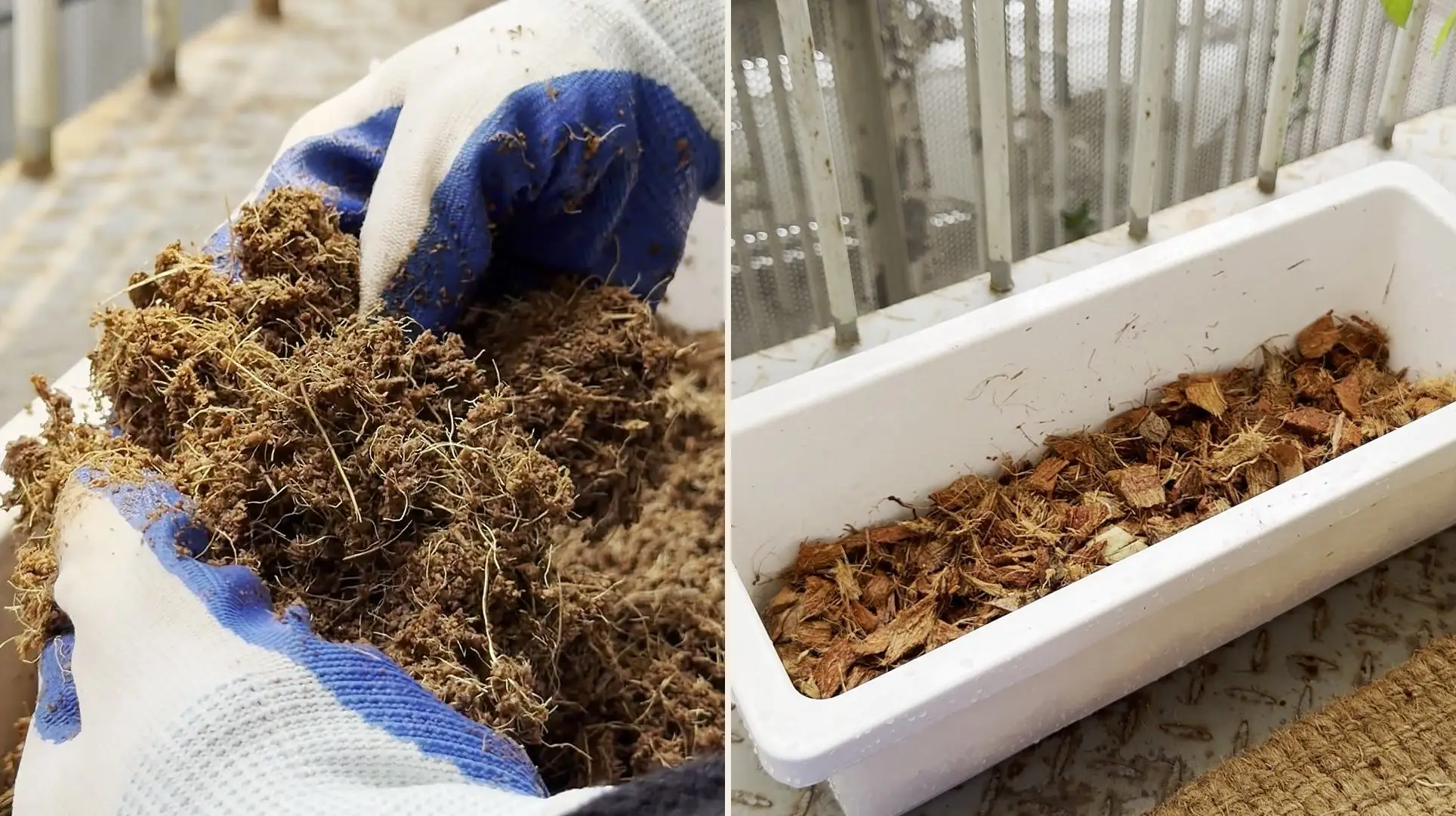
Coconut coir and coco chips both come from coconut husks, but they serve different purposes in gardening. One has a fine texture that helps retain moisture, while the other consists of larger pieces that create more space within a growing medium.
So, which one should you choose? The answer depends on your plant’s roots, watering habits, and preferred growing conditions.
What is coconut coir?
Fine coconut coir, sometimes called coco peat, is made from processed coconut husk material.
Its soft texture makes it useful as an ingredient in potting mixes. It can hold water while allowing gardeners to combine it with other materials to adjust airflow and drainage.
Common uses include:
- General houseplant potting mixes
- Tropical plant growing mixes
- Some seed-starting applications
- Custom container gardening blends
Coir is not a complete fertilizer, so plants may need additional nutrients.
What are coco chips?
Coco chips are larger pieces of coconut husk. Their chunky structure creates larger air spaces than fine coir typically does when used under comparable conditions.
Gardeners often use coco chips in mixes for plants that benefit from a coarse, airy root environment.
Common uses include:
- Orchid growing mixes
- Tropical plants that benefit from chunky media
- Custom mixes where a coarser texture is desired
The right amount depends on the plant species, chip size, pot, and growing environment.
Coconut coir vs. coco chips: key differences
| Feature | Fine coconut coir | Coco chips |
|---|---|---|
| Texture | Fine and soft | Chunky pieces |
| Moisture behavior | Holds moisture | Holds some moisture while creating larger air spaces |
| Airflow | Depends on mix and compaction | Generally creates larger spaces in the mix |
| Common use | Potting mix ingredient | Coarse growing-medium ingredient |
| Best starting point | Plants needing a moisture-retaining mix | Plants needing a chunkier root environment |
Neither option is automatically better. A plant’s needs and your watering habits matter more than the material’s name alone.
Which is better for orchids?
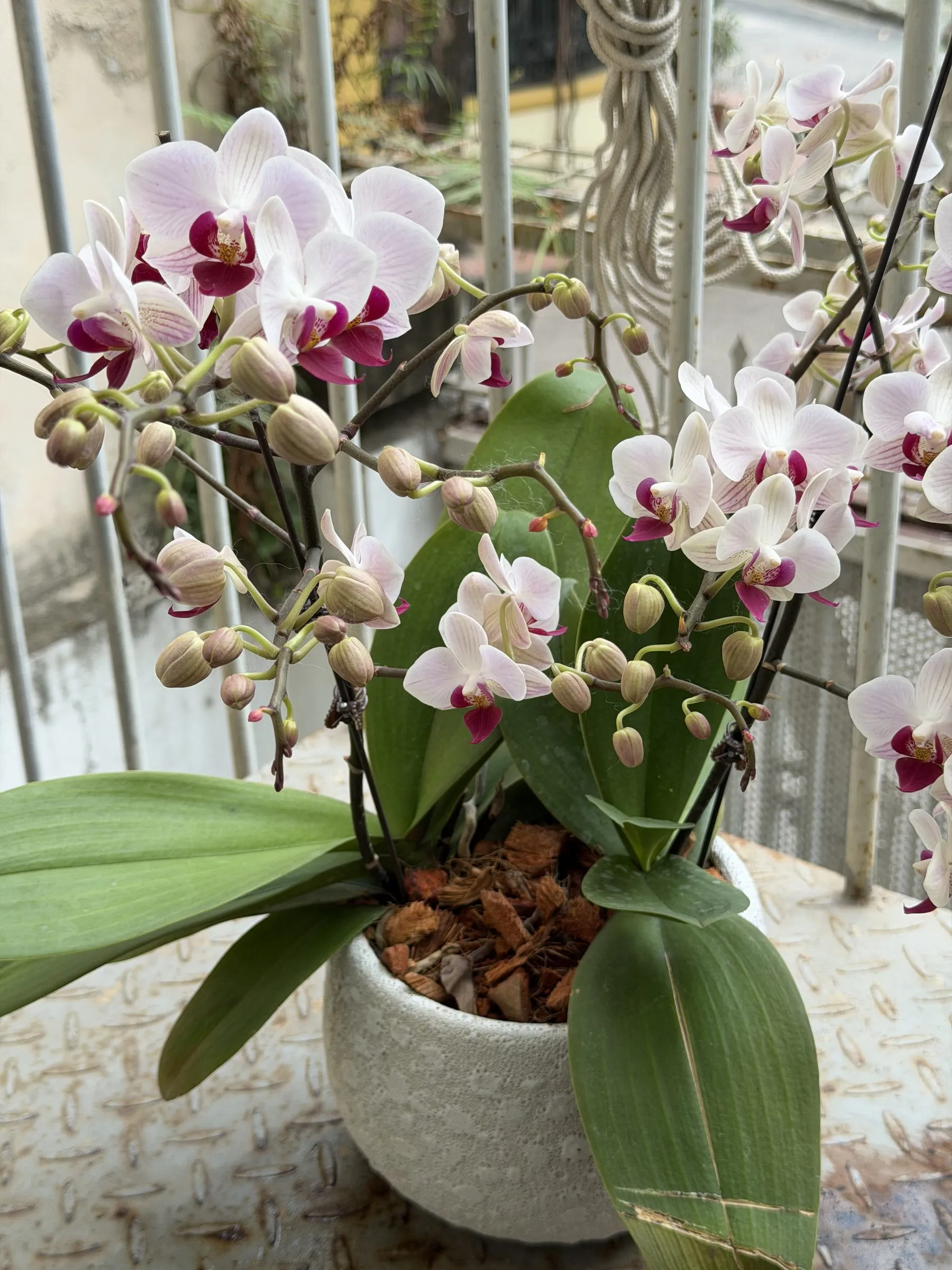
Many epiphytic orchids grow naturally with their roots exposed to moving air. They often need a coarse, well-aerated medium.
For these orchids, coco chips or an orchid bark-based mix may be more suitable than fine coir used alone.
However, orchid species differ. Some terrestrial orchids have different growing-medium requirements, so identify your orchid before choosing a mix.
Can you combine coconut coir and coco chips?
Yes. Combining the two can help you customize moisture retention and texture.
For example, you could use fine coir as one ingredient in a tropical plant potting mix and add coco chips or bark to create a coarser structure.
There is no single ratio that works for every plant. Start with a suitable recipe, observe how quickly it dries, and adjust as needed. For a plant-by-plant starting point, see how to choose the right coconut growing medium.
Which NURTARA product fits?
- NURTARA Coconut Coir: A fine coconut-based ingredient for customized potting mixes.
- NURTARA Coconut Chips: A chunkier ingredient for growing media that need a coarser structure.
- Coir and chips together: An option for gardeners who want to experiment with a customized blend.
How-to
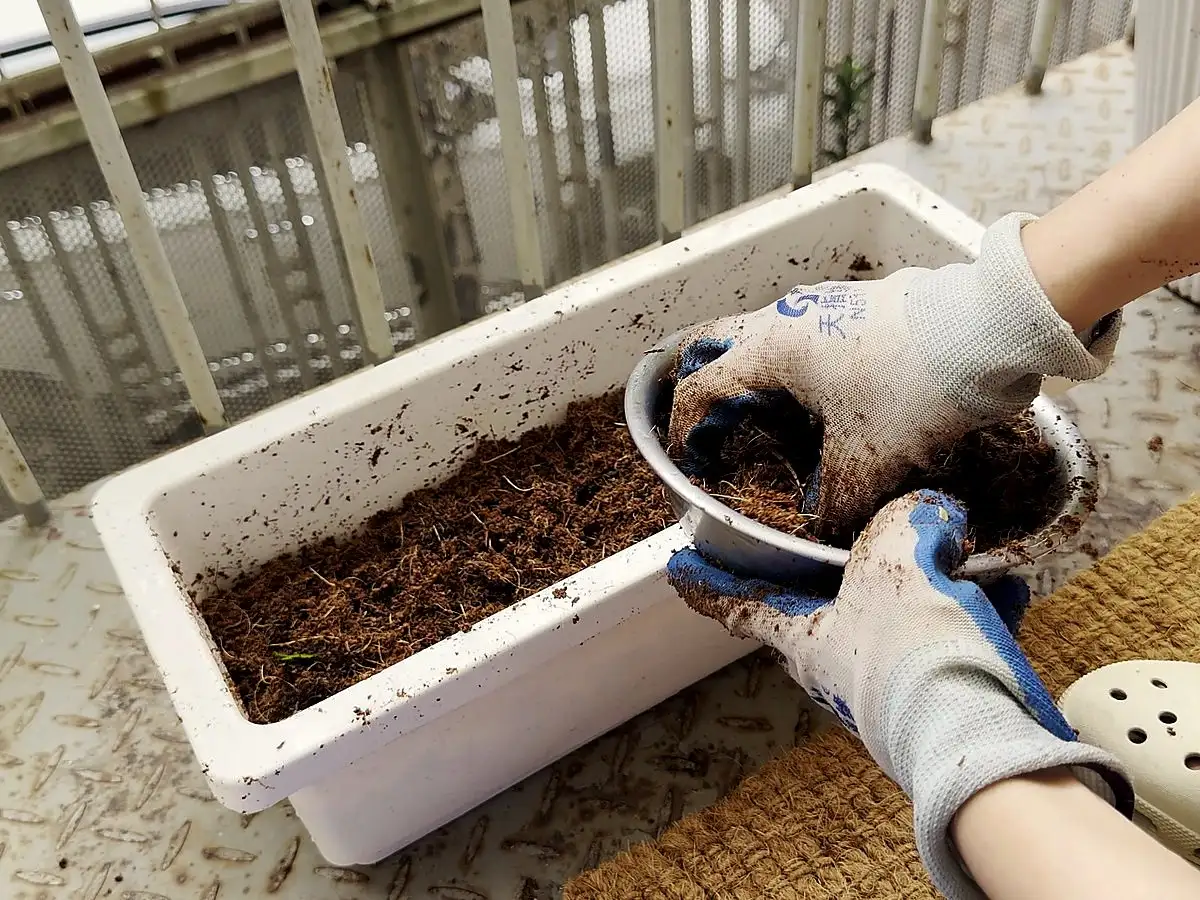
How to Make a Coconut Coir Potting Mix
Three simple starting mixes for houseplants, tropical plants, and orchids, plus how to tell when your mix needs adjusting.
Comparison
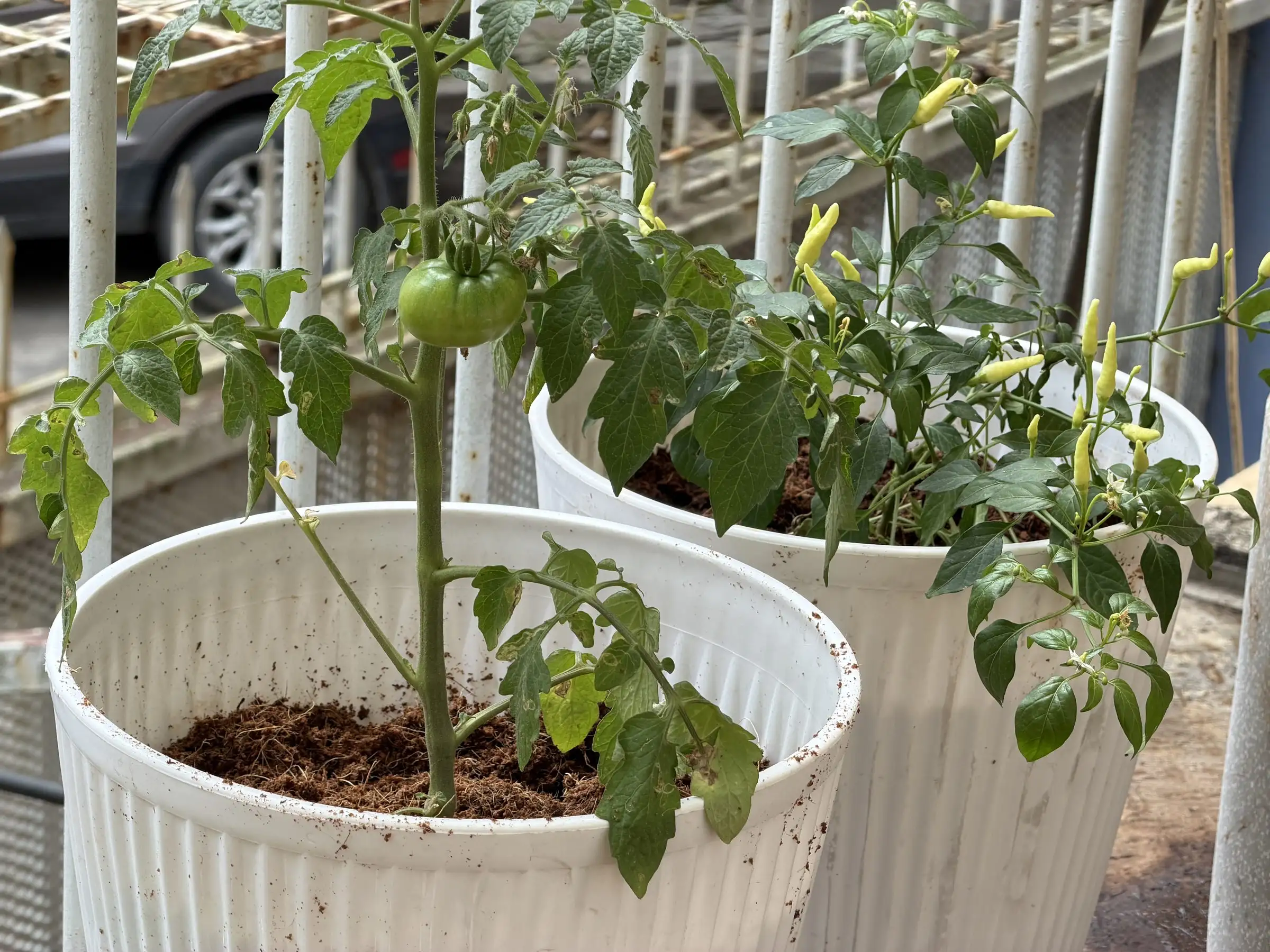
How to Choose the Right Coconut Growing Medium
Fine coir, coco chips, or a blend? Start with your plant's needs, then match the medium with this quick plant-by-plant table.