
Coir basics
Coconut Coir for Plants: Benefits and How to Use It
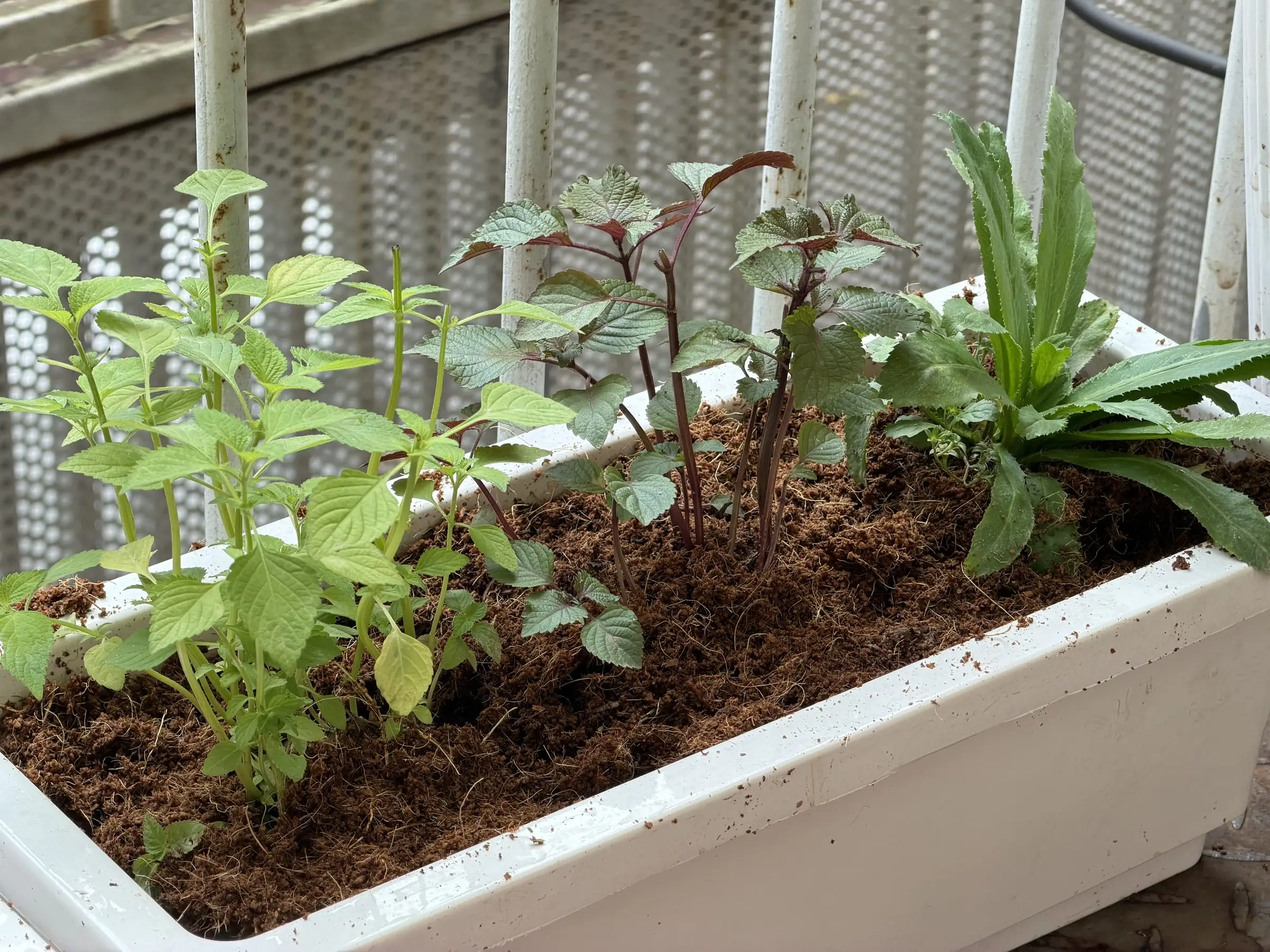
Looking for a versatile growing medium for your plants? Coconut coir is a popular choice among gardeners who want to improve moisture management and create a more flexible potting mix.
Made from coconut husks, this plant-based material can be used for houseplants, tropical plants, seed starting, and many other gardening projects. Here’s what you need to know before adding coconut coir to your growing routine.
What is coconut coir?
Coconut coir is a material made from the fibrous husk of coconuts. It is commonly processed into fine coir, often called coco peat, or larger pieces known as coco chips.
Although they come from the same source, these materials have different textures and uses.
- Fine coconut coir: A soft, fine-textured material that holds moisture and blends easily into potting mixes.
- Coco chips: Chunky pieces that create larger air spaces in a growing medium.
Both can be useful in container gardening, depending on the plant and the growing conditions.
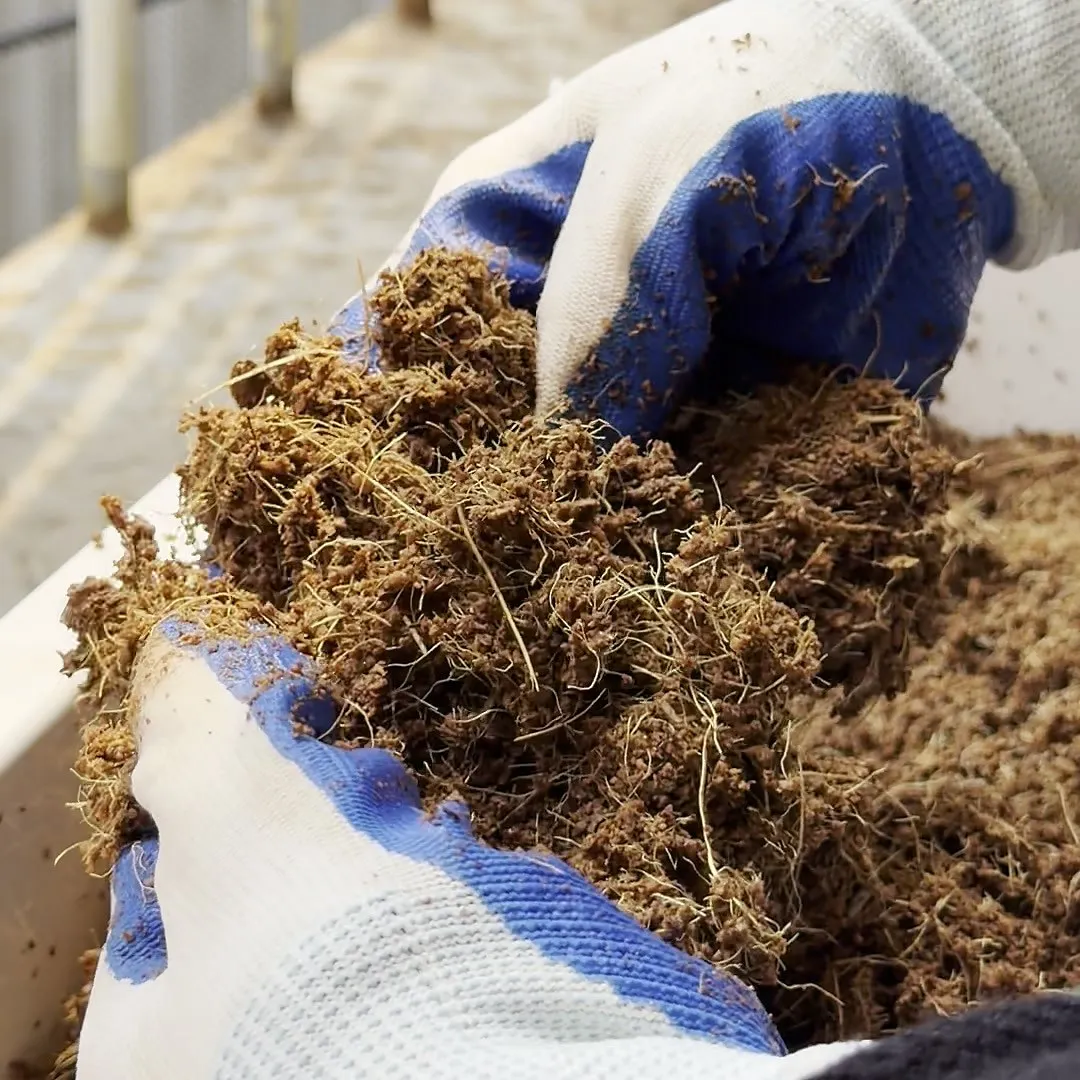
3 benefits of coconut coir for plants
1. Helps retain moisture
Coconut coir absorbs and holds water, helping keep a growing medium moist between waterings. This can be especially useful for plants grown in containers, where the growing medium may dry out faster.
Remember that moisture retention does not eliminate the need to check your plants regularly.
2. Creates a flexible potting mix
Fine coir can be combined with ingredients such as perlite, compost, and bark to create a mix suited to different plants.
Instead of relying on one universal recipe, adjust the mix according to your plant’s watering needs and root environment. Our guide to making a coconut coir potting mix has three simple starting points.
3. Makes compressed growing medium easy to store
Coconut coir is often sold in compressed bricks. Once hydrated, the brick expands into a loose growing medium.
This format is convenient for gardeners who want to store their growing supplies compactly and prepare them when needed.
Which plants can benefit from coconut coir?
Coconut coir can be useful for many types of container-grown plants, including:
- Tropical houseplants: Mix coir with other ingredients to balance moisture and airflow.
- Seedlings: Use a suitable seed-starting mix with appropriate drainage and nutrients.
- Orchids: Consider a mix designed for the specific orchid species. Many epiphytic orchids need a coarse, airy medium rather than fine coir alone.
- Vegetables and herbs: Use coir as part of a complete potting or growing mix that provides adequate nutrients.
The best growing medium depends on the plant, pot, climate, and watering routine.
Can coconut coir replace potting soil?
Not always.
Coconut coir is primarily a growing-medium ingredient, not a complete source of plant nutrition. It generally contains limited nutrients compared with a properly formulated potting mix.
For many plants, combining coir with other ingredients and an appropriate fertilizer is a more practical approach than using coir alone.
How to get started
If you’re using a compressed coir brick, add water gradually and allow it to expand. Break apart the material, remove any hard compressed sections, and adjust the moisture before mixing or planting.
Always check the product instructions for the recommended amount of water. For the full process, see how to expand a coco coir brick in 4 easy steps.
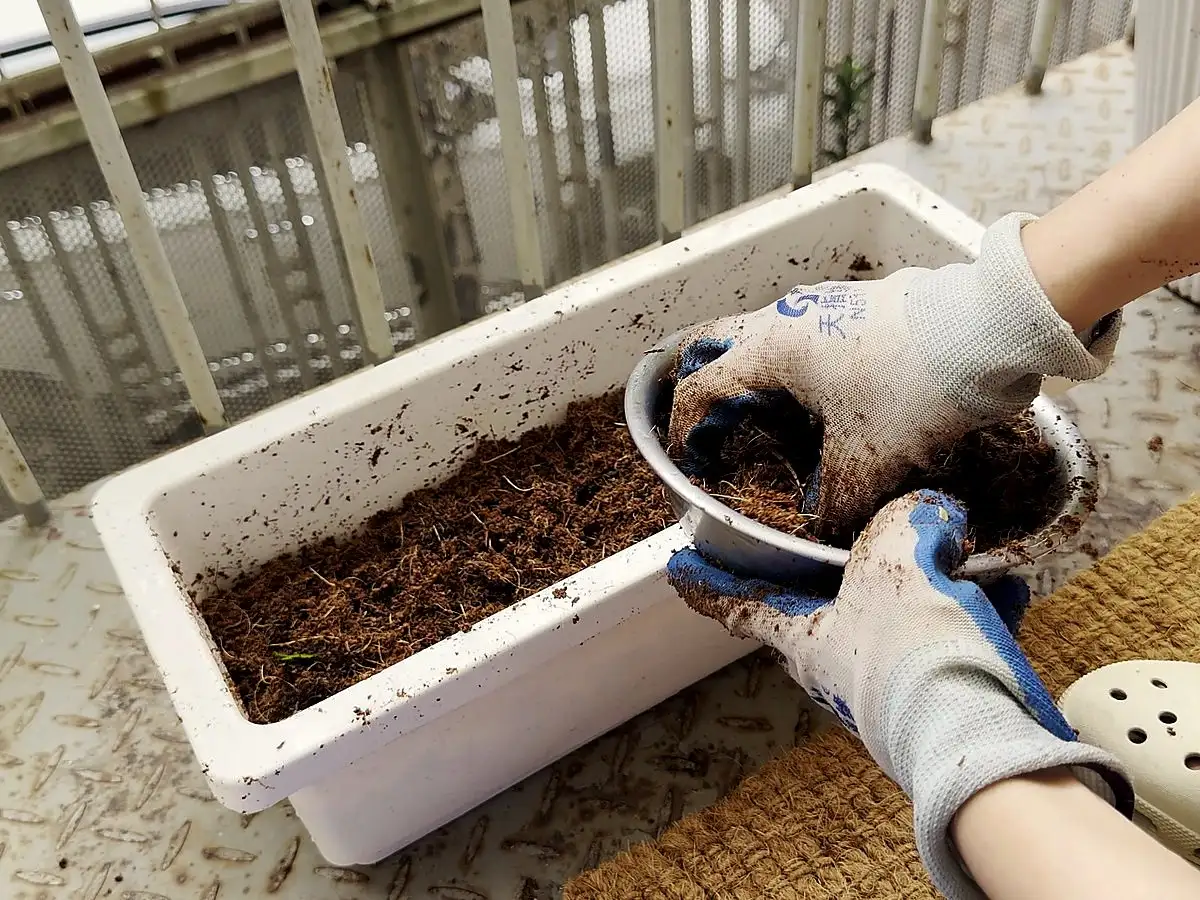
How-to
How to Make a Coconut Coir Potting Mix
Three simple starting mixes for houseplants, tropical plants, and orchids, plus how to tell when your mix needs adjusting.
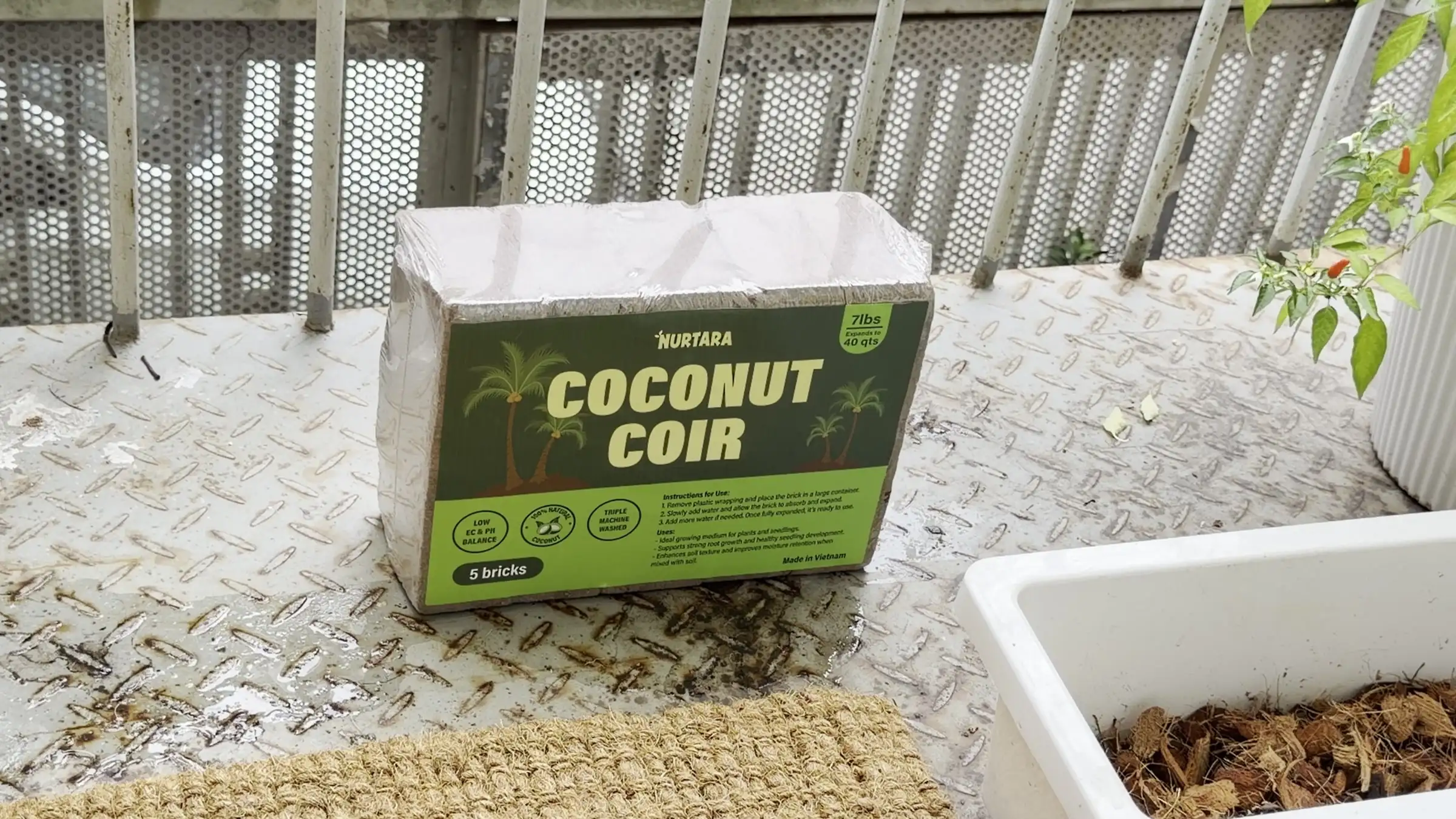
How-to
How to Expand a Coco Coir Brick in 4 Easy Steps
Turn a hard, compressed brick into loose growing medium with a container and water, and avoid the three most common mistakes.